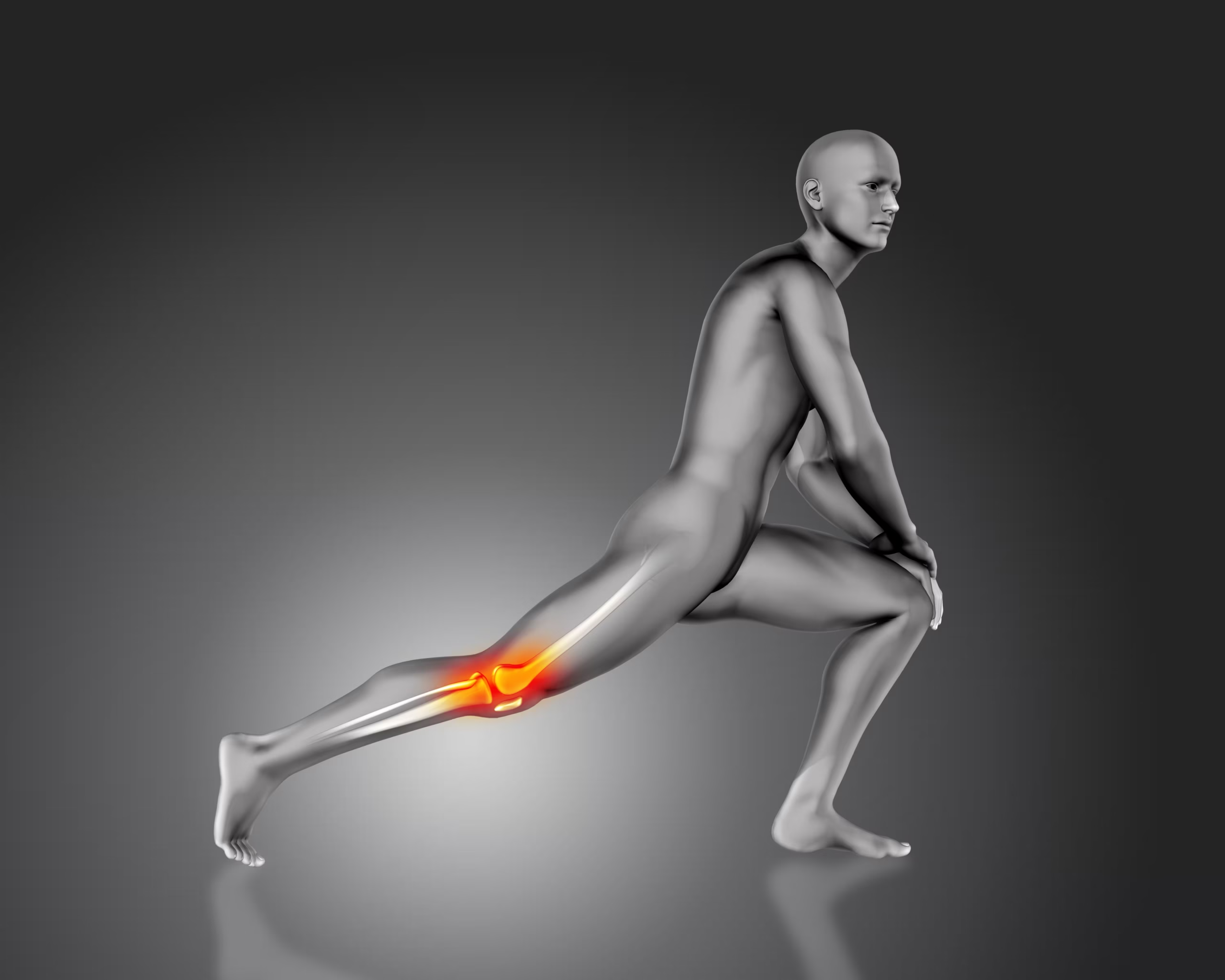
Strength, endurance, and muscle mass often take center stage in fitness, but one factor quietly determines how long you can keep training: joint health. Without healthy joints, progress slows, injuries increase, and long-term consistency becomes difficult.
What Are Joints and Why Do They Matter?
Joints are where bones meet, allowing movement and absorbing impact during exercise. Every squat, press, sprint, or jump places stress on your joints, especially the knees, shoulders, hips, and elbows. Over time, repeated stress without proper care can lead to stiffness, discomfort, and reduced mobility.
The Hidden Cost of Ignoring Joint Health
Many athletes focus on muscle growth while overlooking joint support. The result is often chronic pain, limited range of motion, or forced breaks from training. Once joint issues develop, they can take longer to heal than muscle injuries and may affect performance for years.
How Healthy Joints Support Better Performance
Strong, flexible joints allow you to:
- Train with proper form
- Lift heavier weights safely
- Recover faster between sessions
- Maintain mobility as you age
Joint health doesn’t just prevent injury—it extends your training lifespan.
Key Factors That Protect Joint Health
- Proper warm-ups and mobility work
- Balanced strength training, not overloading weak joints
- Adequate recovery and sleep
- Targeted nutrition and supplementation to support cartilage and connective tissue
Joint Support as You Train Long-Term
As training intensity increases or years of activity accumulate, joints need more support. Supplements that promote cartilage repair, flexibility, and joint lubrication can play a role in keeping you active, mobile, and pain-free.
Final Takeaway
Muscles may drive performance, but healthy joints make long-term training possible. Prioritizing joint care today helps ensure you can keep training, progressing, and staying active for years to come.